


Ignore the seriousness of postpartum diastasis recti!
We were shocked to discover that many mothers are unaware of what "diastasis recti" is , and thus delay or even completely ignore it after childbirth , leading to long-term complications. They then regret not taking proper care of themselves and improving the condition after giving birth.

1. What exactly is diastasis recti?
Diastasis recti can begin during pregnancy because the expansion of the uterus puts pressure on the abdominal muscles, causing the connective tissue between them to weaken. This condition is more likely to occur in women with multiple pregnancies, those who are overweight, or those who engage in strenuous physical activity during pregnancy.
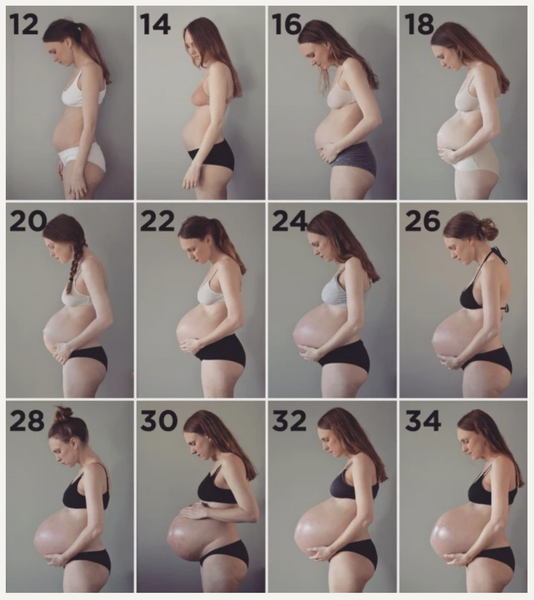
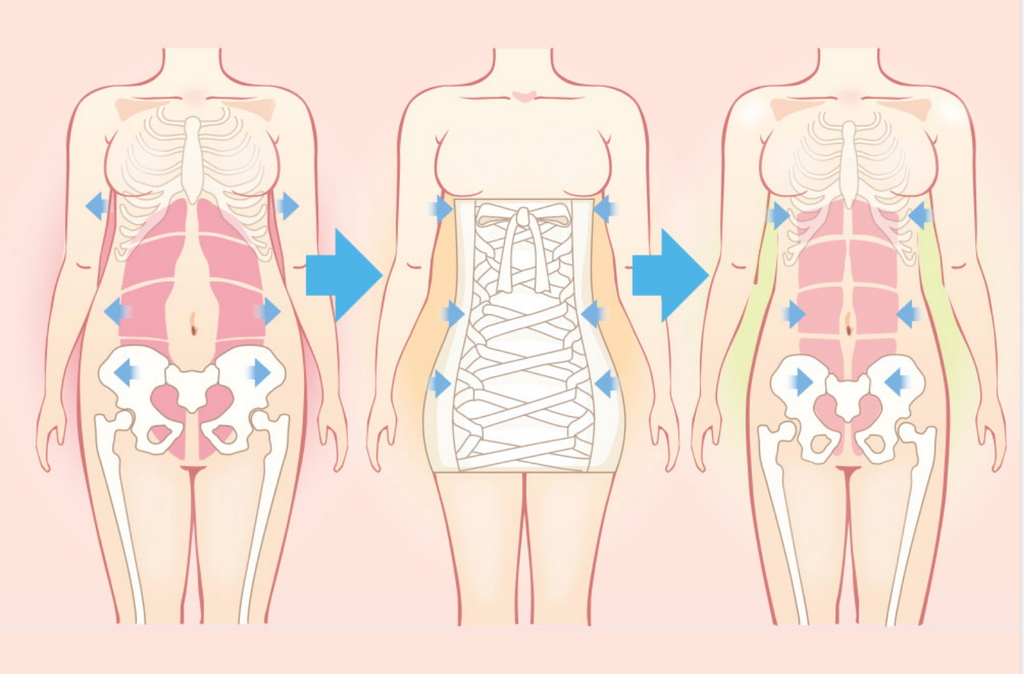
According to a survey, about 53% of postpartum women still have diastasis recti. This is because in late pregnancy, the enlarged uterus stretches the abdominal muscles, causing the muscles on the left and right sides of the abdomen to separate. The abdominal muscles need time to recover their original structure and strength. If this is not addressed early, it will lead to abdominal muscle relaxation and the gradual accumulation of fat , which is the most difficult part of the lower abdomen to lose weight.
Click this link 🔗
331 Postpartum Recovery and Shaping Set specially designed for mothers to help them regain their figure
2. Are stretch marks and diastasis recti the same thing?
Stretch marks and diastasis recti are two different physiological phenomena that are very likely to occur at the same time during a woman's pregnancy, but they do not necessarily occur simultaneously.
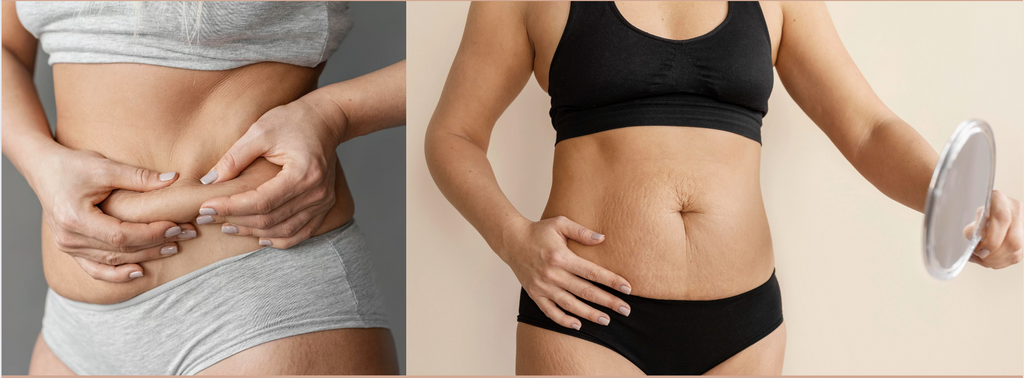
The rectus abdominis is a group of muscles located in the abdomen that are responsible for maintaining body posture and balance, as well as supporting the internal organs of the abdomen. During pregnancy, the abdominal muscles are stretched and compressed due to the expansion of the uterus and the growth of the fetus, which can lead to diastasis recti, the separation of the fibrous tissue in the center of the abdominal muscles, forming a vertical indentation.
Stretch marks are lines formed due to the pressure and stretching of the skin caused by pregnancy weight gain and the enlargement of the uterus, which damages the elastic fibers in the skin. Although stretch marks usually appear on the abdomen, they are not caused by diastasis recti, but rather by the stretching and pressure on the skin.
Therefore, stretch marks and diastasis recti should be taken seriously and cared for in a timely manner to prevent them from developing into a large, wrinkled "belly" in the future.
3. What are the long-term effects of diastasis recti?
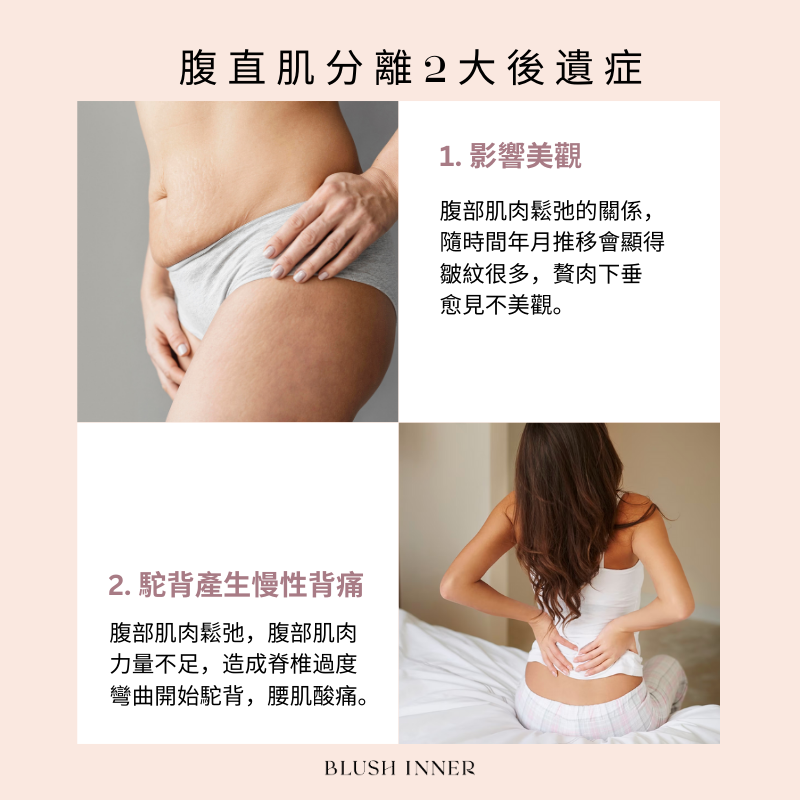
- Affects appearance : Loose abdominal muscles make the skin appear wrinkled, which is not aesthetically pleasing.
- Kyphosis can cause chronic back pain: Loose abdominal muscles and insufficient abdominal muscle strength can cause excessive curvature of the spine, leading to kyphosis.
Click this link 🔗
Excellent reputation, trial discount set for two top-selling tummy control pants
4. How can I determine the severity of my diastasis recti?
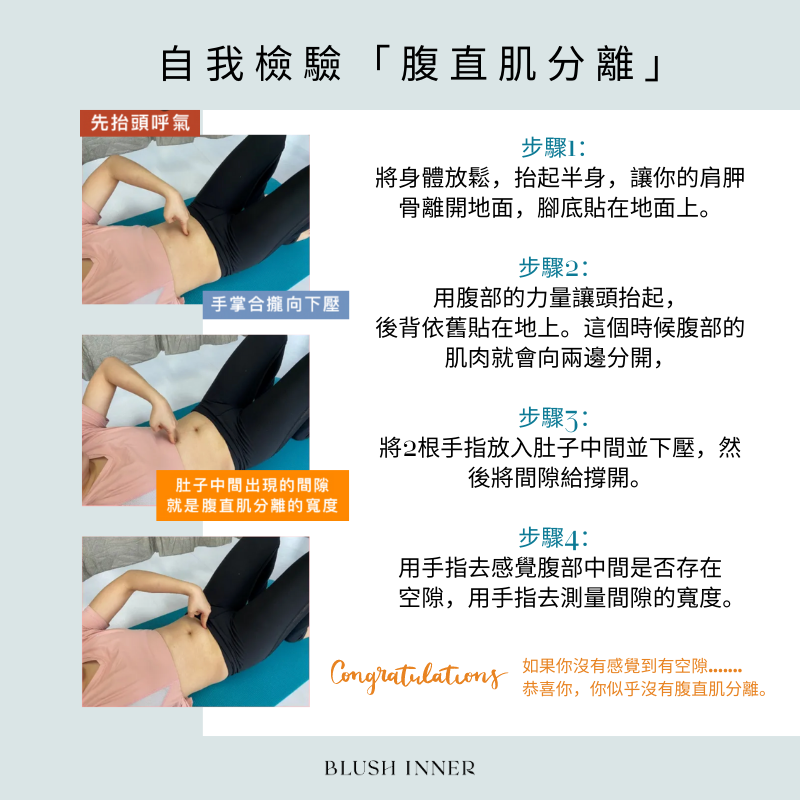
Step 1: Lie down with your knees bent and your feet flat on the ground.
Step 2: Use your abdominal muscles to lift your head while keeping your back on the ground.
Step 3: Place two fingers in the middle of your abdomen and press down to widen the gap.
Step 4: Use the fingers of your other hand to measure the width of the gap.
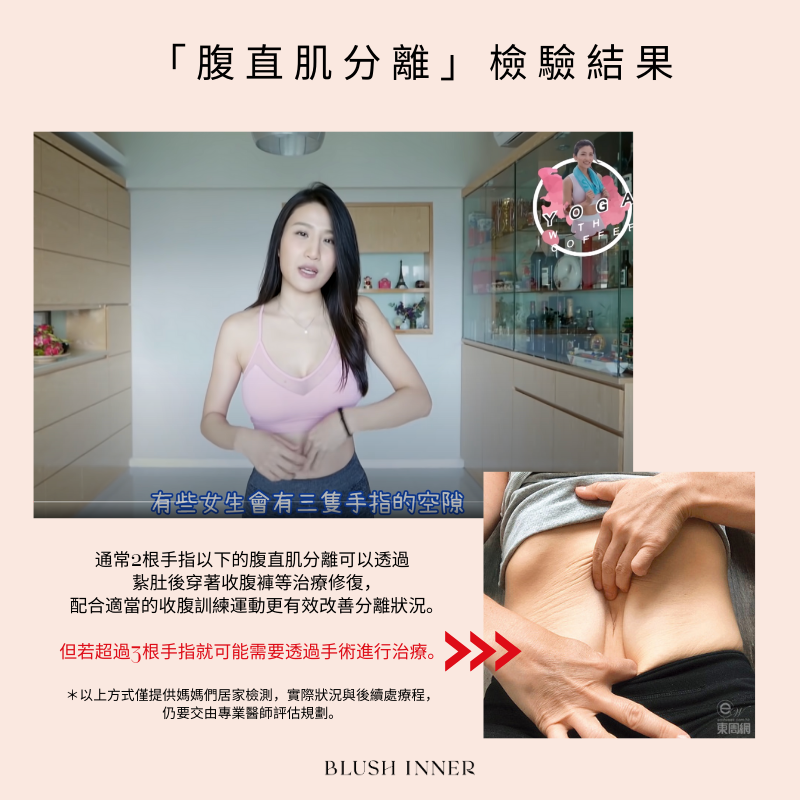
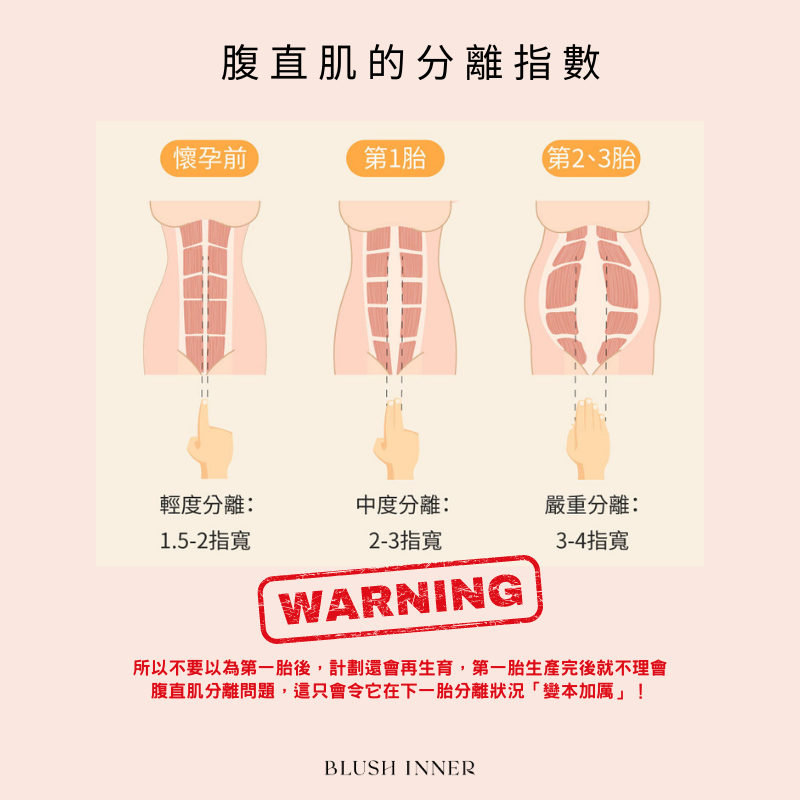
Diastasis recti (less than two fingers' width) can usually be treated and repaired by wearing shapewear/ tummy control pants after binding the abdomen. Combining this with appropriate abdominal exercises can more effectively improve the condition.
But if it exceeds Three fingers may require surgery.
*The above methods are only for mothers to conduct home testing. The actual situation and subsequent treatment should still be assessed and planned by a professional physician.
5. What is the incidence of diastasis recti in singleton and multiple-pregnancy women?
Diastasis recti typically begins to appear after the second trimester of pregnancy. Generally, the chances of diastasis recti are highest in late pregnancy, with up to 100% of pregnant women experiencing it. However, there's no need to worry excessively, as only about 53% of women still have diastasis recti seven weeks postpartum.
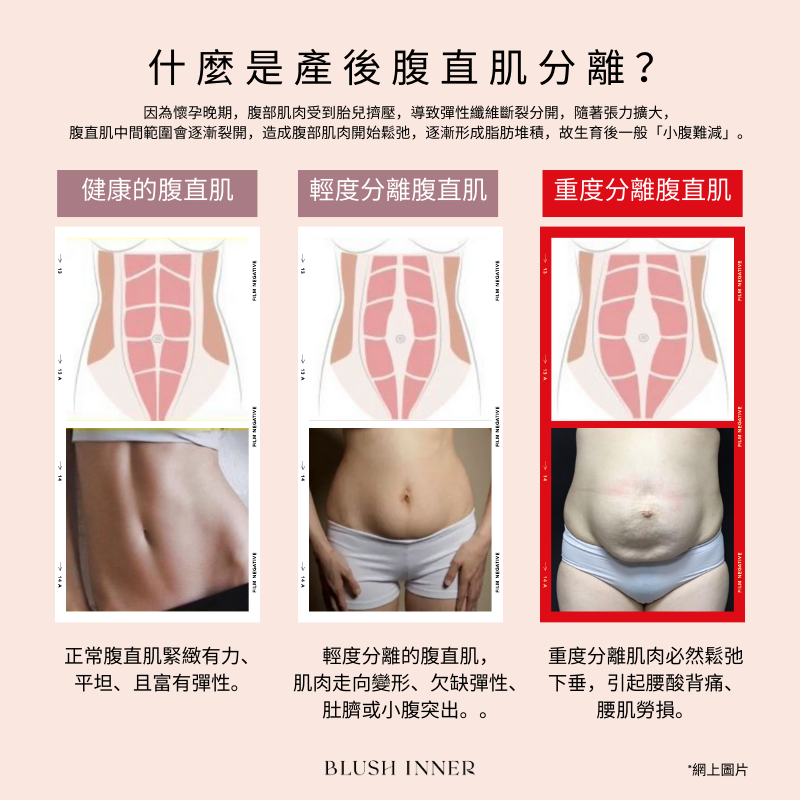
Diastasis recti (above the navel): The incidence is the same in single-pregnancy and multiple-pregnancy women (68%).
Diastasis recti below the navel: This condition is more common in women who have had multiple pregnancies (simply put, it means there isn't much excess fat in the upper abdomen, and the sagging fat is concentrated in the lower abdomen).
6. When should we start to focus on improvement?
Further reading:
- Blusher testifies to losing 5 pounds in two weeks using a low-sugar diet that allows you to eat whatever you want without gaining weight.
- Prevent breast sagging/outward expansion